

My current research explores the history and philosophy of science and technology. I am interested by the ways in which scientific and knowledge-making practices are shaped through encounters with technology. The craft and creativity embedded in technological work are central to my approach. By situating these practices in their historical and philosophical contexts, I aim to shed light on the complex interplay between innovation, scientific inquiry, and the ways we understand the world
From Glass to Pixels
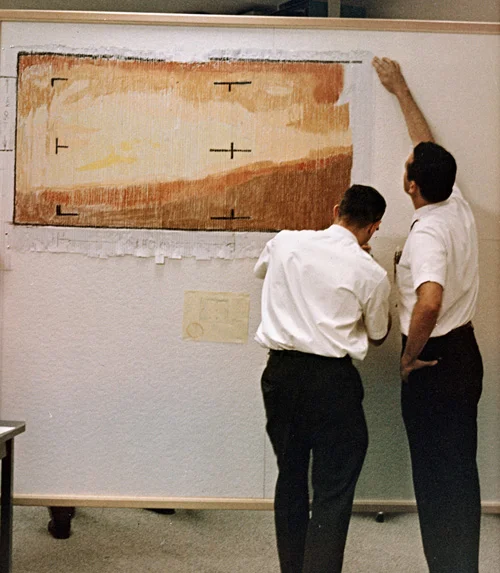
My PhD research examines how technology and visual astronomers together shaped the move from analogue to digital photography in astronomy. Rather than treating this shift as a simple technological revolution, I investigate the social, political, and epistemic factors that influenced both the adoption of digital photography and changes in astronomical practice.
By exploring how digital tools transformed visual work and how astronomers themselves shaped these technologies, my project sheds new light on scientific objectivity and the evolution of knowledge-making in modern astronomy.
Blurred Visions
AAHPSS Conference Presentation (2025)
Popular accounts treat astronomy’s shift from analogue to digital imaging as a clean technological break. This presentation challenges this view by revealing that the transition was, in fact, messy and improvisational. Histories of astronomical imaging show hybrid practices, where astronomers blended analogue and digital methods, creatively adapting to new challenges. Focusing on what practitioners actually did, rather than simple categories, uncovers a richer story of negotiation, flexibility, and innovation in technological change.
Evolving Simulations
Graduate Diploma Thesis (2023)
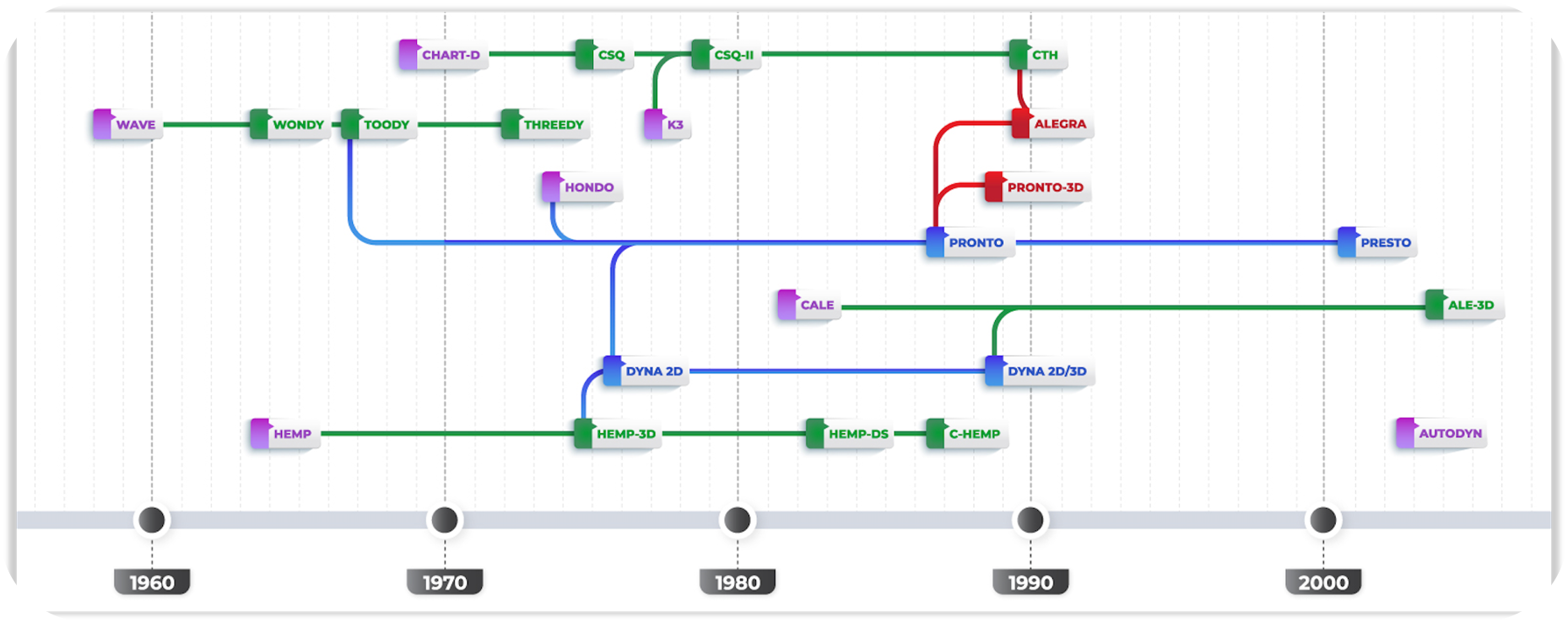
This project how the history of simulation practices in geophysics and astrophysics are deeply historically contingent. Their evolution from the 1970s to the 1980s was shaped by a complex mix of technical advances, funding limits, disciplinary shifts, and broader social and cultural factors. Researchers made trade-offs between epistemic goals, practicality, and available resources, producing distinctive approaches in each field. By focusing on these historical contingencies, the thesis moves beyond philosophical accounts to highlight the real-world influences and collaborative dynamics that shaped the development and use of computer simulations in these scientific domains
Unravelling the Values and Priorities of Simulation Producers and Users
AAHPSSS Conference Presentation (2023)
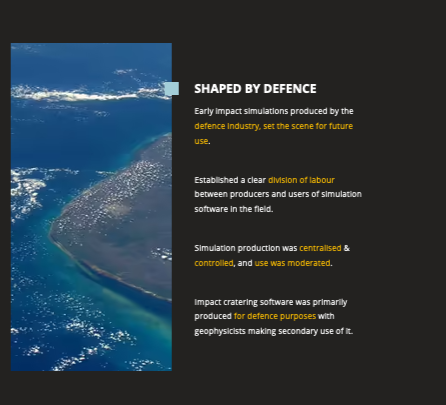
This presentation explored the hidden forces of social norms, institutional habits, and professional cultures; that quietly shape how scientists build and share simulation codes. I focused on the field of impact cratering, where researchers simulated asteroid collisions (including the day the dinosaurs met their fate). Looking at practices from defence labs to university classrooms, I show how disciplines develop unique approaches to collaboration, software design, and expertise. By turning the spotlight on these subtle influences, the talk reveals the overlooked values and priorities that shape the routines of scientific simulation work.